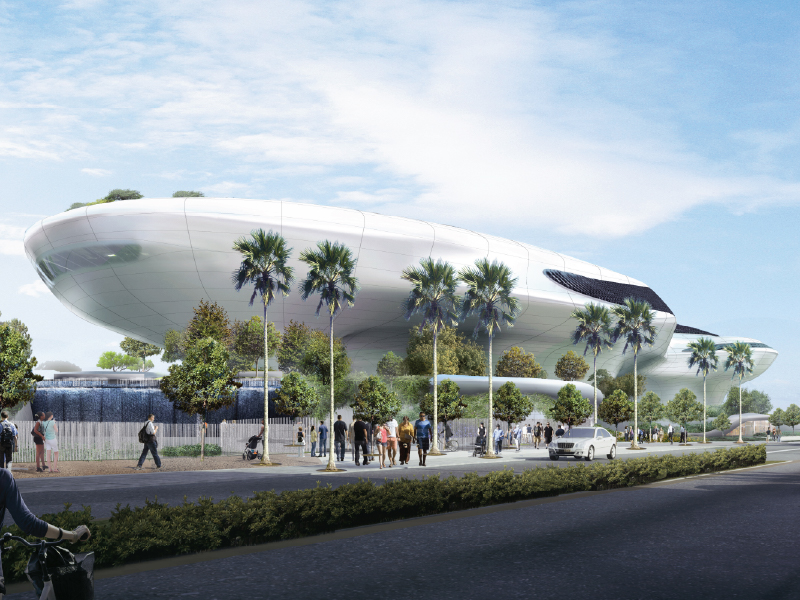
In 2026, a new silhouette will rise from Exposition Park—smooth, futuristic, and deliberately out of step with the city’s brick-and-steel museums. The Lucas Museum of Narrative Art, co-founded by George Lucas and Mellody Hobson, is not positioning itself as another temple to fine art. It’s staking a broader claim: that the images shaping popular imagination—paintings, comics, photographs, films, and digital works—deserve to be examined together, as narrative forces that influence how societies see themselves.
Lucas has long argued that stories are cultural infrastructure. “The stories that art tells are often key to understanding a society and its aspirations,” he has said. The museum’s mission follows that logic, treating narrative art as a shared language—one that carries values, contradictions, and collective memory across generations.
Beyond Cinema, Toward Narrative Power
The foundation of the museum begins with a sweeping seed collection pledged by Lucas and Hobson, spanning figures such as Norman Rockwell, Frida Kahlo, Jean-Michel Basquiat, and Carrie Mae Weems. Alongside it sits the full Lucasfilm Archives—costumes, props, models, and storyboards from films that reshaped modern cinema. Together, they collapse the traditional hierarchy between “fine art” and popular culture, placing a comic panel in conversation with a painting, a film storyboard beside documentary photography.
Chief Curator Pilar Tompkins Rivas frames narrative art not as a genre, but as a connective practice. Works as different as Diego Rivera’s murals and contemporary photography by Cara Romero, she notes, operate on the same principle: storytelling as a mirror of social values and lived experience. The galleries are designed to encourage that friction—unexpected pairings meant to spark dialogue rather than deliver a single interpretation.
A Leadership Team Built for Scale and Substance
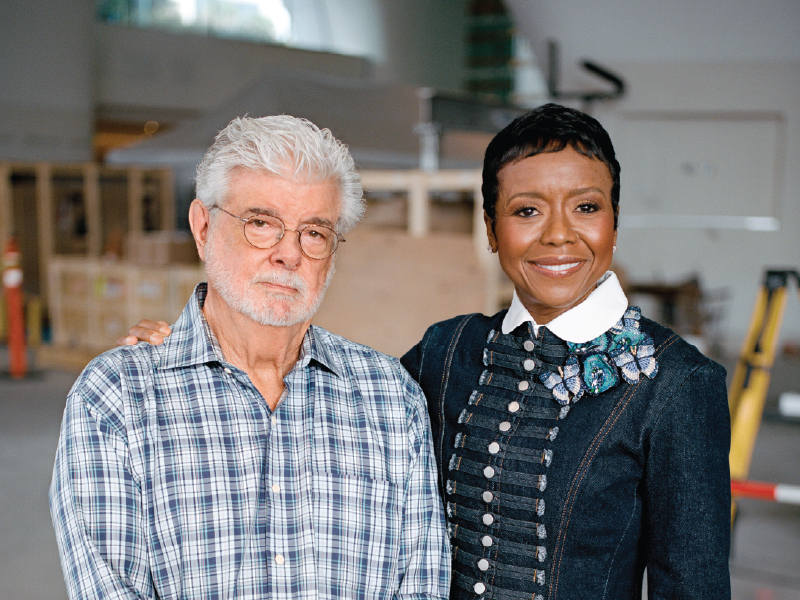
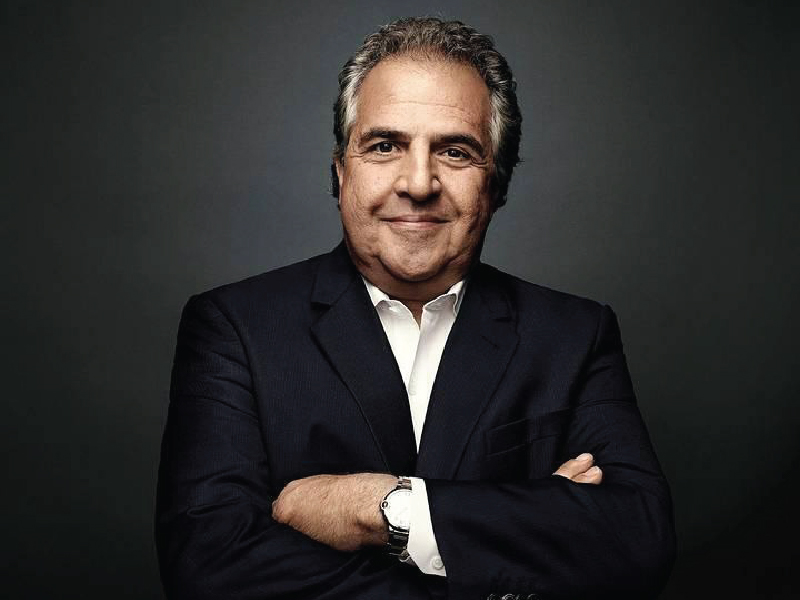
The museum’s leadership reflects the same hybrid ambition. CEO Jim Gianopulos brings decades of studio experience from films including Titanic, Avatar, and Top Gun: Maverick. Laela French, steward of the Lucasfilm Archives, ensures that the material culture of modern mythmaking—lightsabers, costumes, miniatures—receives the same scholarly care as any painting. Curators such as Dr. Ryan Linkof further bridge disciplines, grounding spectacle in academic rigor.
Architecture That Signals Imagination
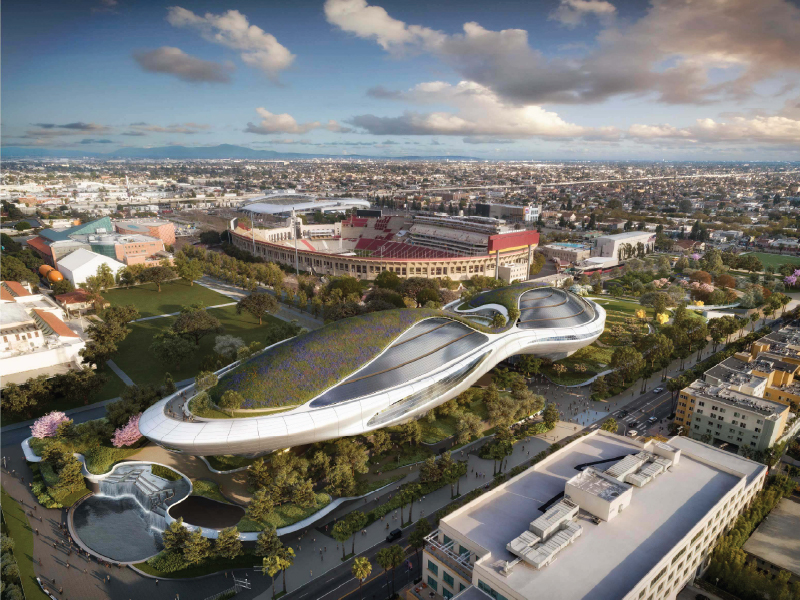
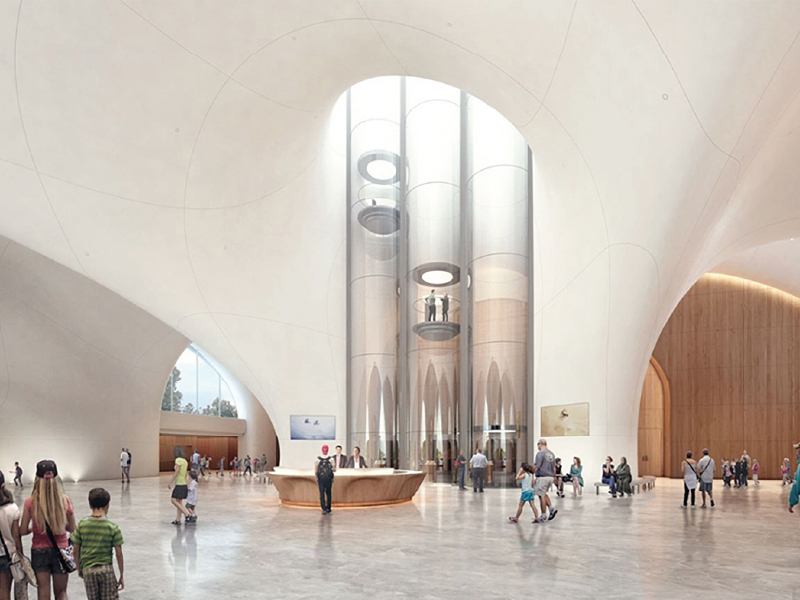
Designed by MAD Architects under Ma Yansong, the 300,000-square-foot building reads like a speculative object landed gently on the city. Lifted above 11 acres of newly landscaped parkland, it offers 100,000 square feet of gallery space, two theaters, a research library, classrooms, rooftop gardens, and a cascading fountain that blurs the line between civic plaza and cultural sanctuary. Beneath its sculptural skin, seismic base isolation, solar energy systems, and rainwater harvesting quietly integrate resilience and sustainability.
Why Los Angeles, Why Now
For Lucas and Hobson, the project is less a monument than a public offering. Los Angeles already exports stories to the world; the Lucas Museum turns the lens inward, creating a space to examine how images shape identity, power, and empathy. “We hope the Lucas Museum will help audiences better understand the world and build toward a more just and empathetic society,” Lucas has said.
When it opens in 2026, the Lucas Museum of Narrative Art will arrive not just as a destination, but as a conversation—one where blockbuster mythology and brushstroke history coexist, and where the stories we consume are finally given room to explain us back to ourselves.
Opens September 26, 2026. For more information, visit lucasmuseum.org
Location: One Lucas Plaza, Los Angeles
Photo credits: Photos courtesy of Lucas Museum of Narrative Art